
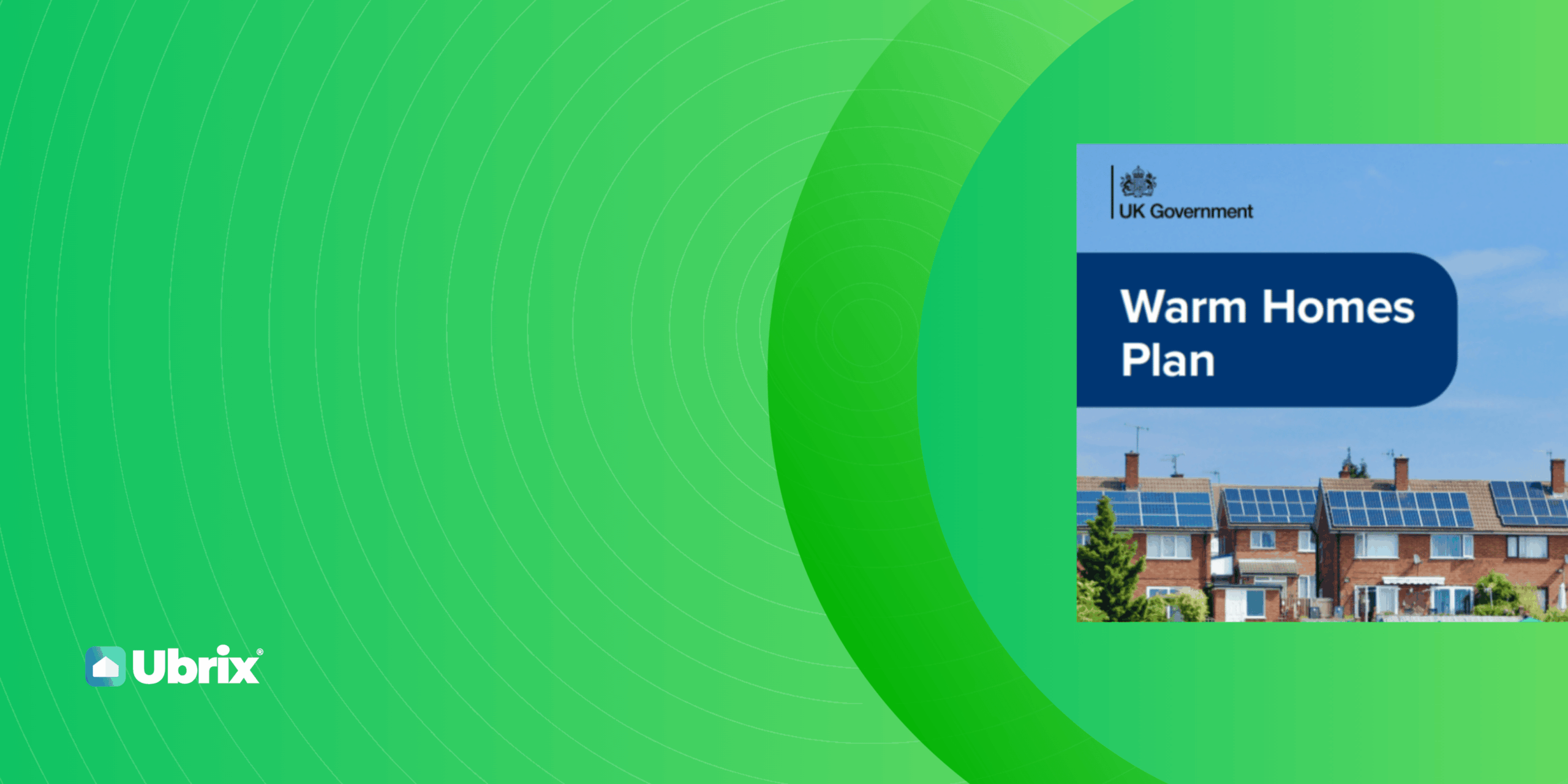
The Warm Homes Plan landed this week. The direction is broadly right. Homes need to perform better, outcomes need to be clearer, accountability needs to extend beyond completion.
But regulation only ever defines the destination. It does not determine whether the road gets built.
Most delivery models in housing were built around stages. Sales gives way to design. Design gives way to build. Build gives way to completion. Completion gives way to aftercare. Each stage assumes the next will “pick it up from here”.
In practice, context thins out as it moves. Early design intent fades. Site decisions are made under pressure and rarely captured cleanly. By the time a home is occupied, no single view of the full journey exists.
This has been accepted as normal for a long time. Regulation is now testing that assumption.
The Warm Homes Plan raises expectations around evidence, performance and outcomes. That shift brings exposure as well as ambition.
Future standards will demand confidence in answers, not reassurance. Not just that something complies, but why it does. What was specified. What changed. When it changed. Who approved it. How that decision still holds years later.
That requires continuity. Most delivery models were never designed to provide it.
When standards tighten, fragmented delivery gets exposed
Time is lost reconstructing decisions instead of acting on them. Responsibility passes forward without history. Compliance becomes retrospective rather than live. Aftercare begins with questions rather than clarity.
This is rarely a failure of effort or intent. It is a structural issue. Information evaporates at every boundary, not because people are careless, but because the systems connecting each stage were never designed to hold it.
When delivery is treated as continuous, the dynamic changes
Design intent remains visible during construction. Decisions made on site stay attached to the home. Transitions between stages carry context forward instead of starting from scratch. Aftercare starts with a complete picture, not a paper trail with gaps.
Standards stop feeling like an administrative burden and start behaving like guardrails.
This gap, between how homes are delivered and how they are expected to perform long term, is why Ubrix exists. Not to replace teams or processes, but to stop information evaporating between them.
The strongest preparation is already happening
Across live schemes, the strongest preparation for future regulation is not happening in policy documents. It is happening in how information flows day to day.
Where context survives beyond completion. Where accountability follows the home, not the phase. Where decisions remain explainable long after the site has moved on.
Those questions existed long before the Warm Homes Plan. The plan is simply forcing them to the surface.
The Warm Homes Plan raises the bar. It does not connect the dots underneath.